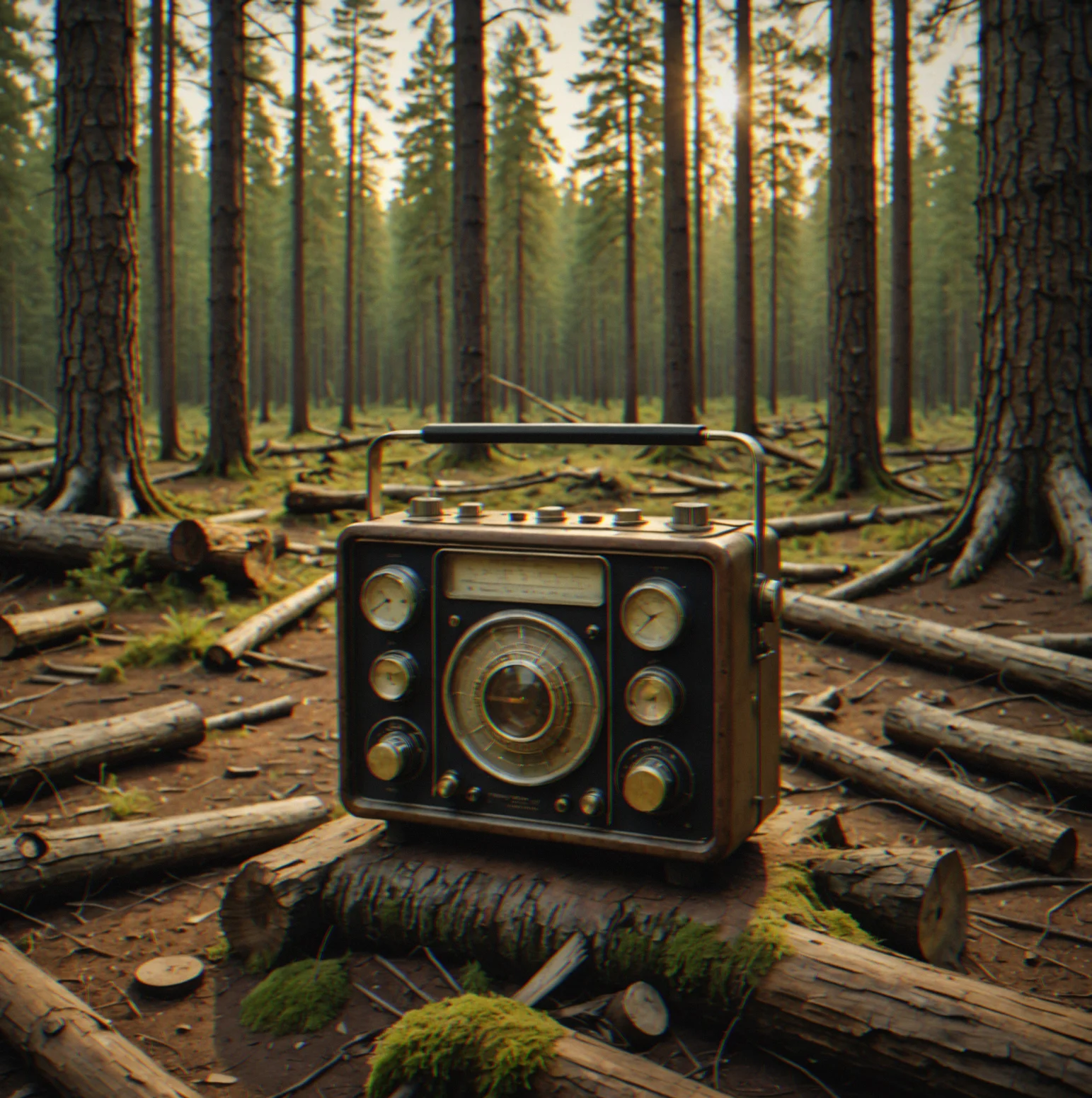
Signals cluster somewhere for a reason. Those places tell you the landscape has already transformed.
VLF Signal Tracking
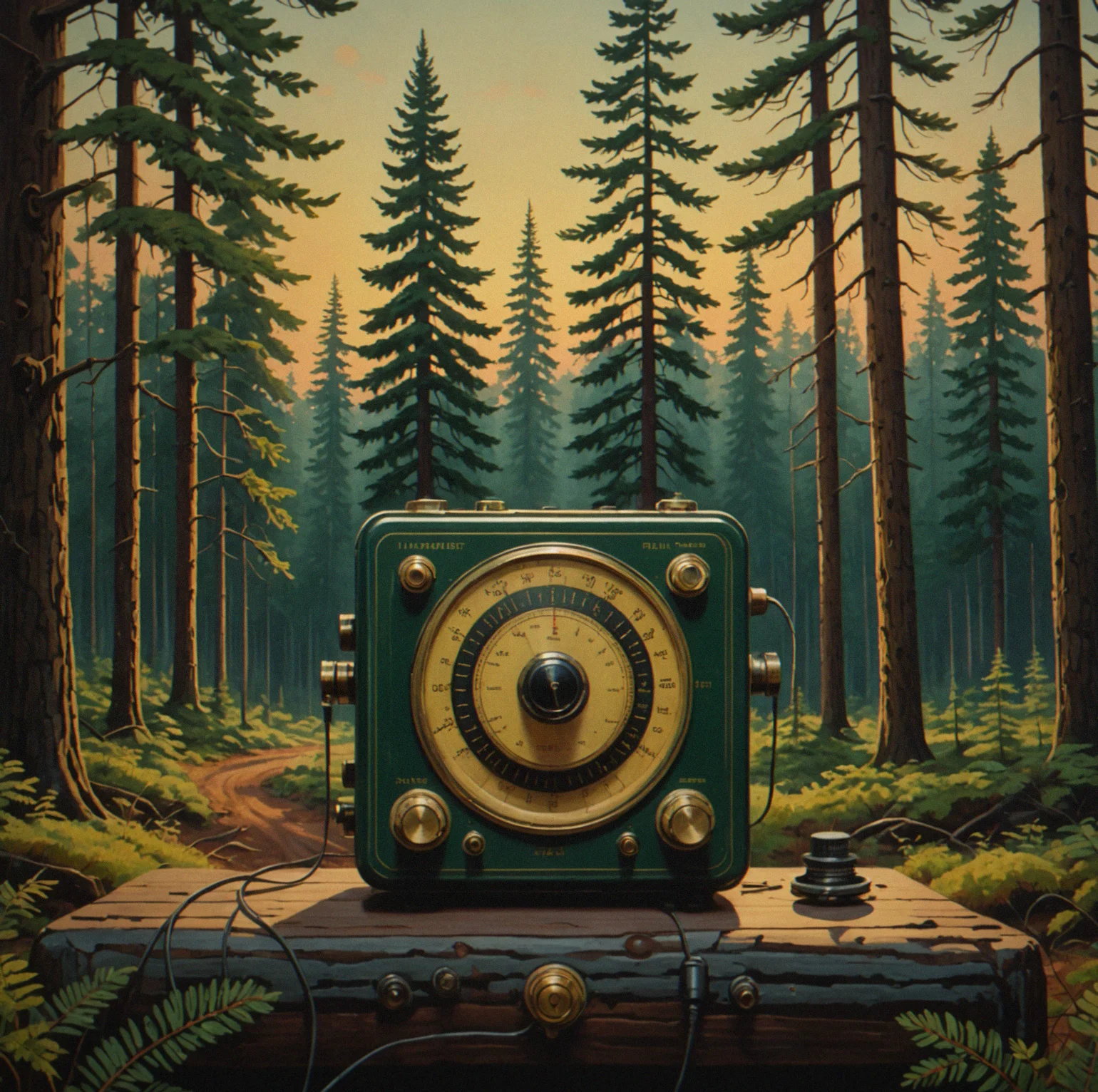
A hand-painted puzzle-adventure where radio mechanics and environmental storytelling blend. You navigate by ear.
You're tracking frequencies in a forest that was actually painted by hand. Not generated. Not built from prefab assets. The game runs real VLF/ELF band simulations. Your receiver responds to actual atmospheric conditions. Get closer to a signal and the needle swings. The audio pitch goes up. Step back and it drops away. There's no quest marker. The forest teaches you through repetition, through patterns in how strong the signal gets, through what the landscape shows you once you learn to read it. Built for people who loved Myst because it trusted them, who spent hours in The Forest because the world felt real—not because of fighting or progression systems, but because the craft behind it all made it believable.
The receiver works with actual physics. It picks up frequencies in the VLF range (3–30 kHz) and ELF range (3–3000 Hz), the same bands geophysicists use. Atmospheric conditions shift signal strength in real time, and how close you are determines what the needle shows. The numbers aren't decoration.
Someone painted every tree, stone, and shadow. Roughly 40 hours went into the main forest area, and you feel the difference between something made and something assembled from stock. The visuals aren't separate from the mechanics — they're part of the system, so when the environment changes, the signals change too.
There's no compass. No map. Your needle, the audio tone that pitches higher as you get closer to a source, and the numbers on the display are all you have. Understanding the forest means learning to read what the signals tell you and that takes practice.
Where signals cluster, things happened. Dead trees show past disturbances. Water conducts ELF better, so vegetation responds to it. These details matter.
One session is maybe 45 minutes of walking and tuning, with a couple discoveries if you're lucky. No timers, no combat, no random reshuffling. The game moves at its own pace and assumes you're already into this kind of thing.
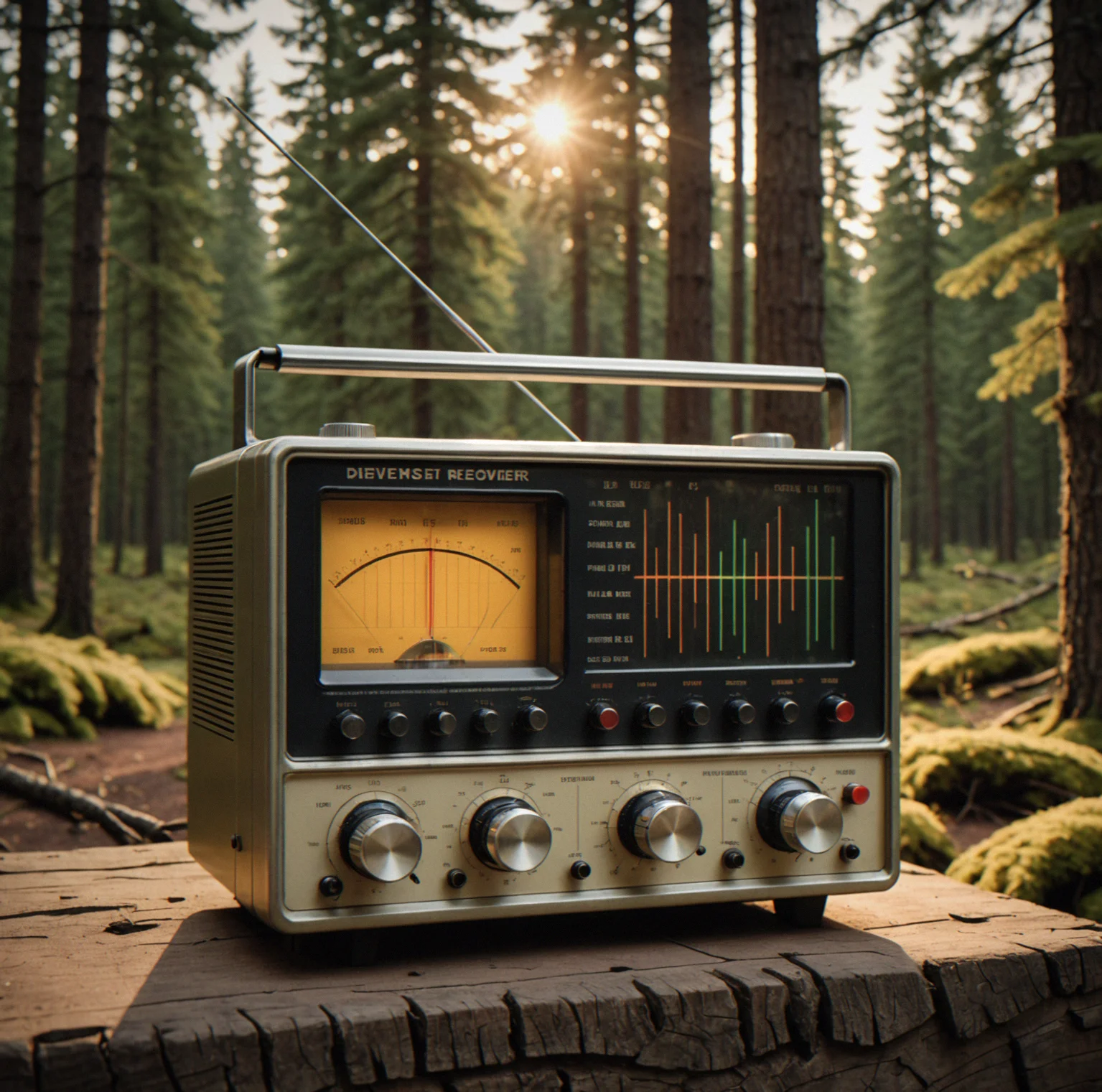
Your instrument gives you three things at once: a needle that swings left and right on an analog dial, signal strength shown as a bar graph, and an audio tone that gets higher pitched as you get closer. Move around and the needle responds immediately to whatever's out there in the forest.
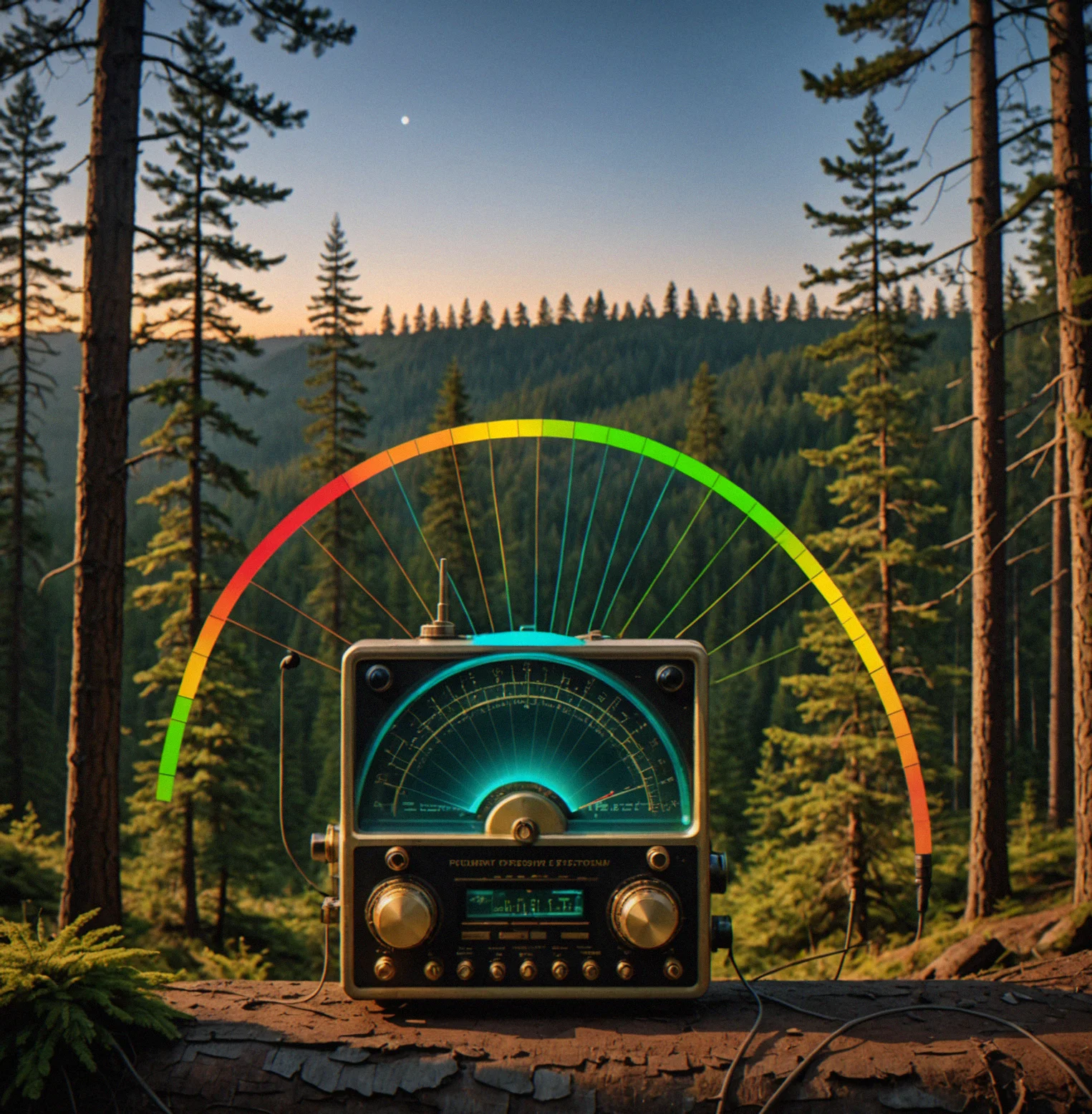
Very low frequency signals live in the 3 to 30 kilohertz range. They're useful for geophysicists because they can travel through earth and water, which lets you study what's underground. In the game, when your receiver picks them up, it means there's something worth looking into at that location.
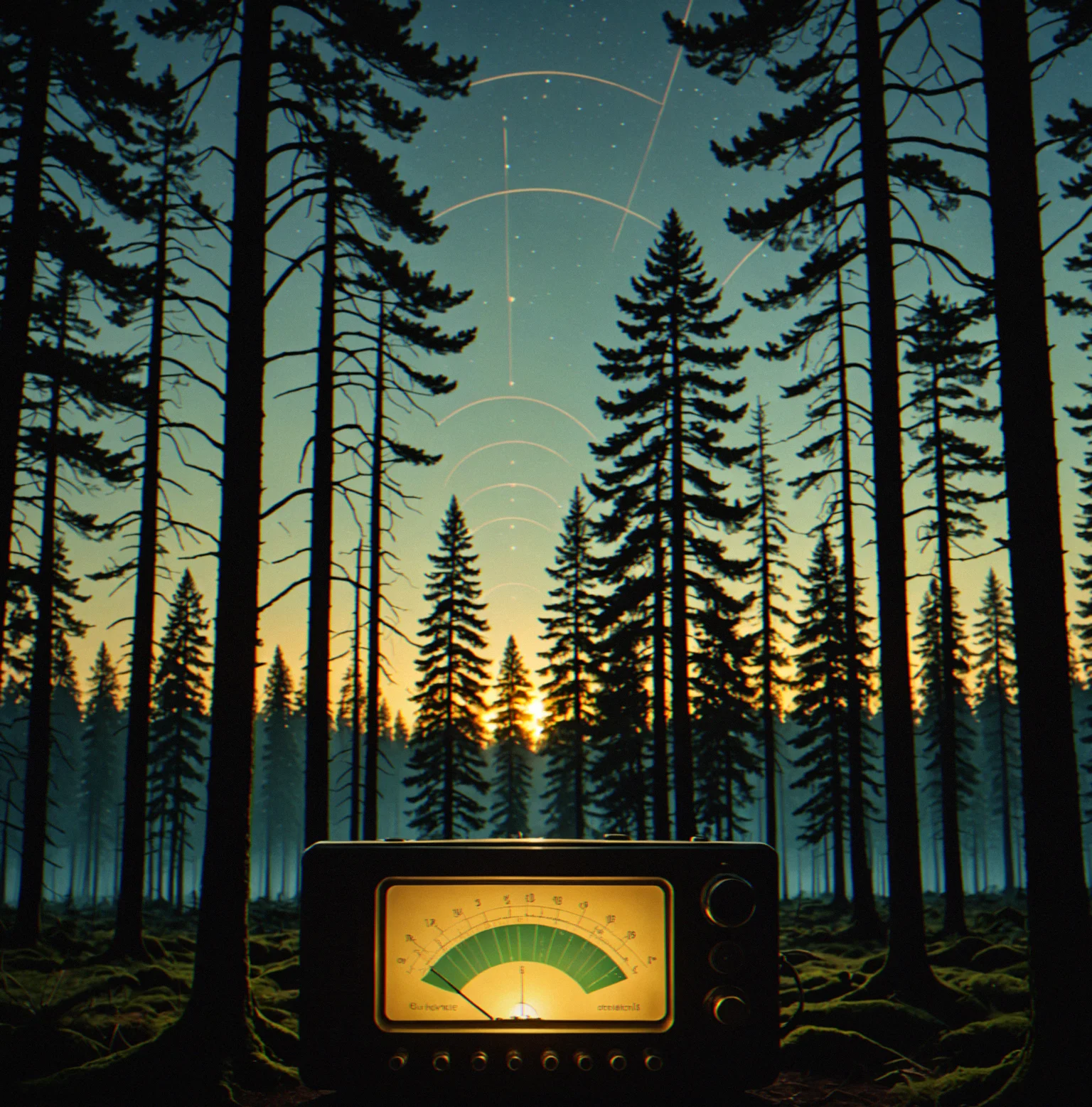
Extremely low frequency signals run from 3 hertz all the way up to 3000. They penetrate much deeper than VLF because of their longer wavelengths. The game treats them differently, so tuning to ELF instead of VLF changes how you play and what you find.
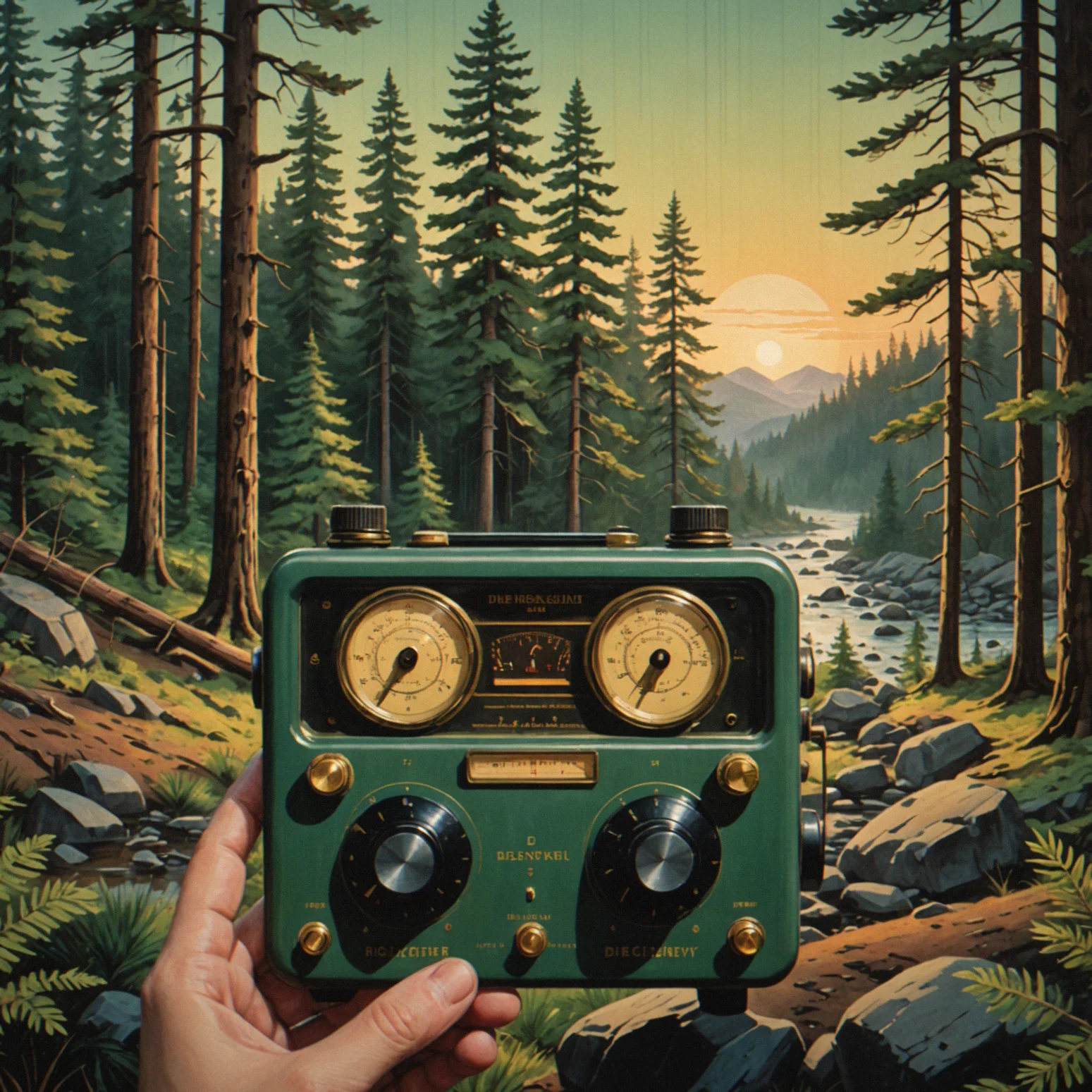
Water moving underground, mineral deposits, how the rocks are arranged—they all shape how signals travel. The forest's visual design isn't random. Areas with certain plants or specific terrain features will have signal behavior you can predict. Pay attention to what you're seeing and it teaches you.
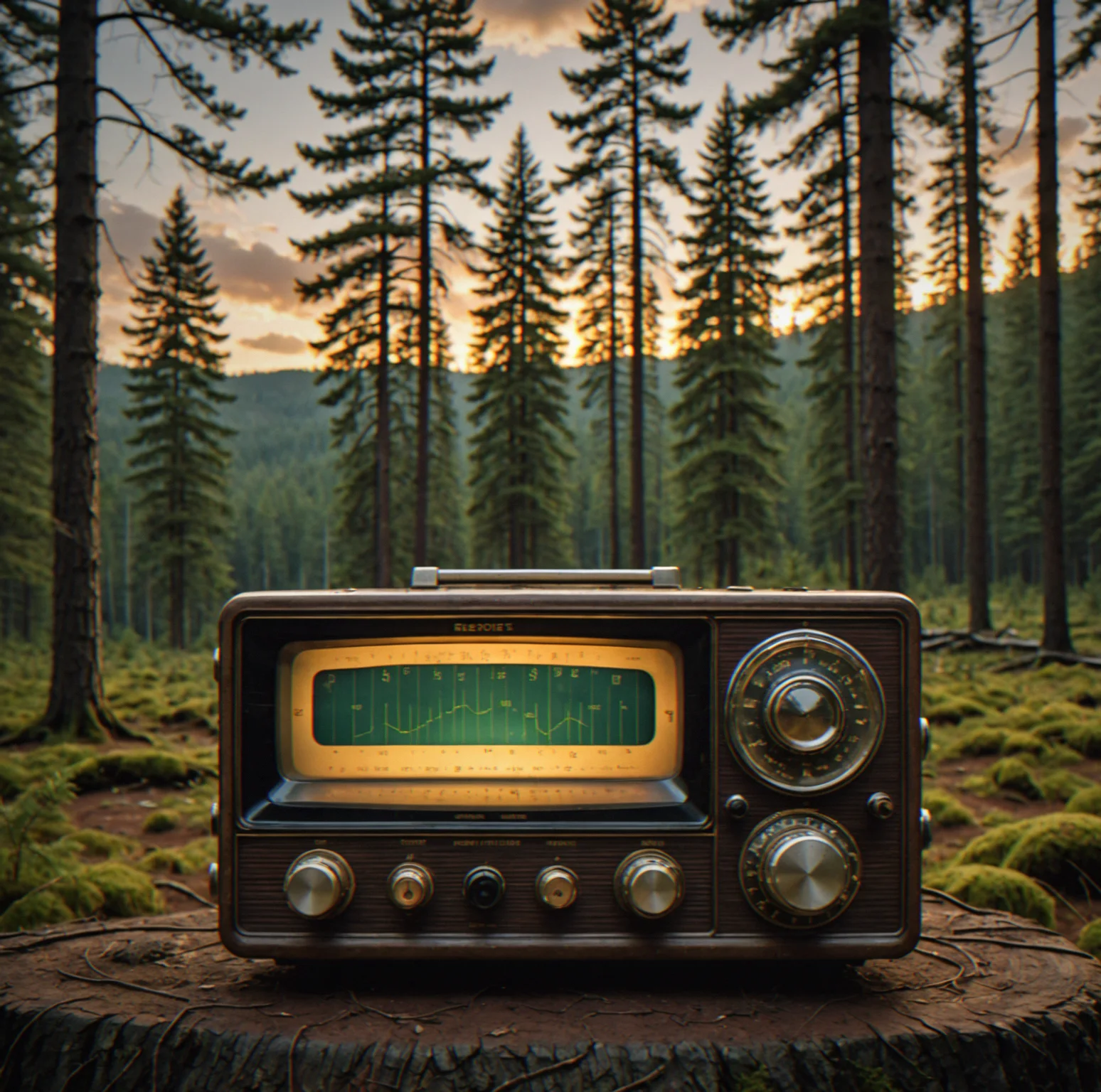
There's a full day-night cycle running in the background. Weather changes, time of day, even solar activity—they all affect your signal. A storm rolling in brings static. A calm night lets you hear clearly. Eventually you figure out which times favor which frequencies, when you're most likely to find things.
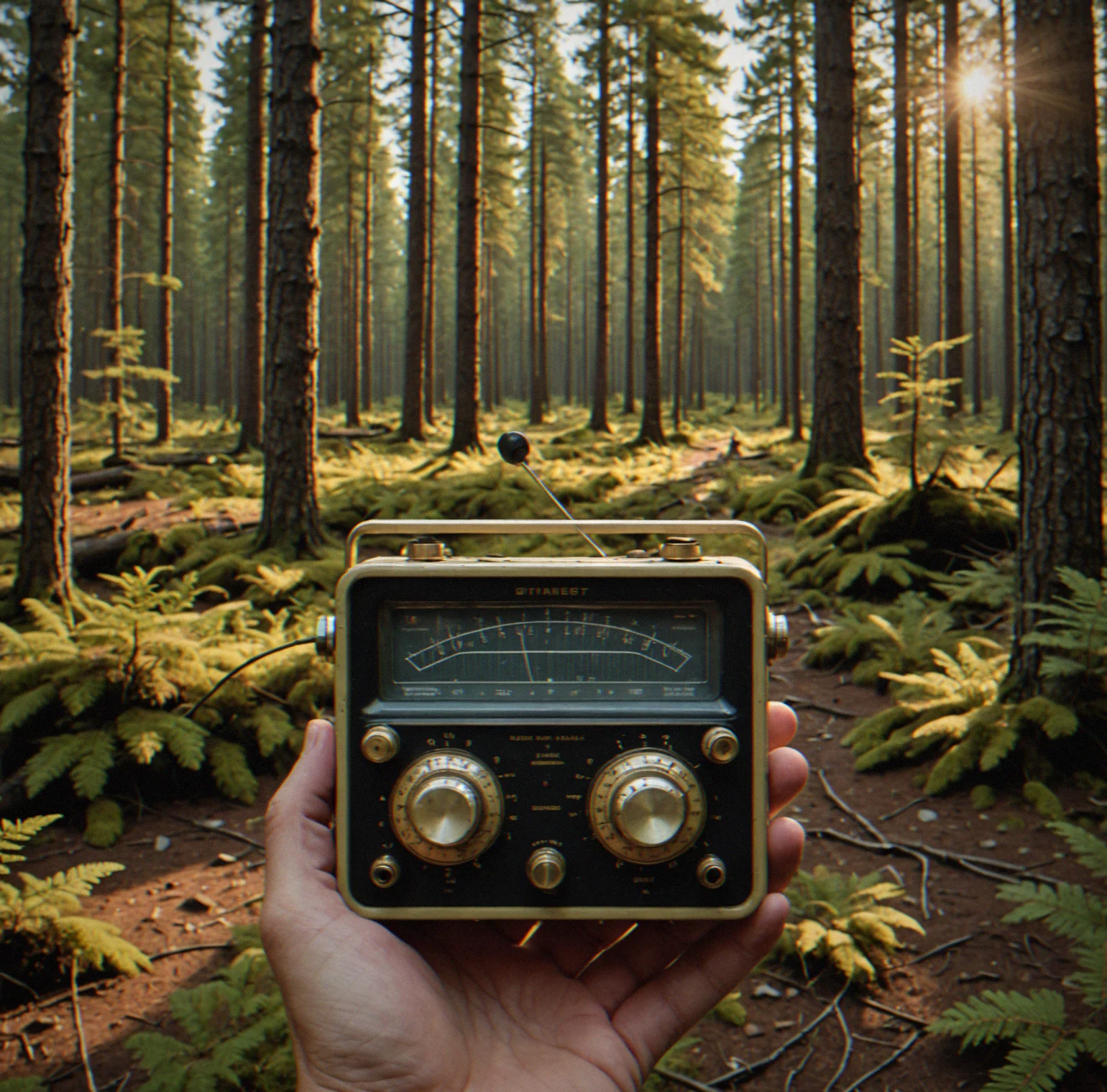
Signals don't scatter randomly. They cluster where things matter. Dead trees, changes in how the vegetation looks, slopes and ridges—those line up with where signals are coming from. After enough hours, you stop watching the numbers and start reading the forest itself. You just know.
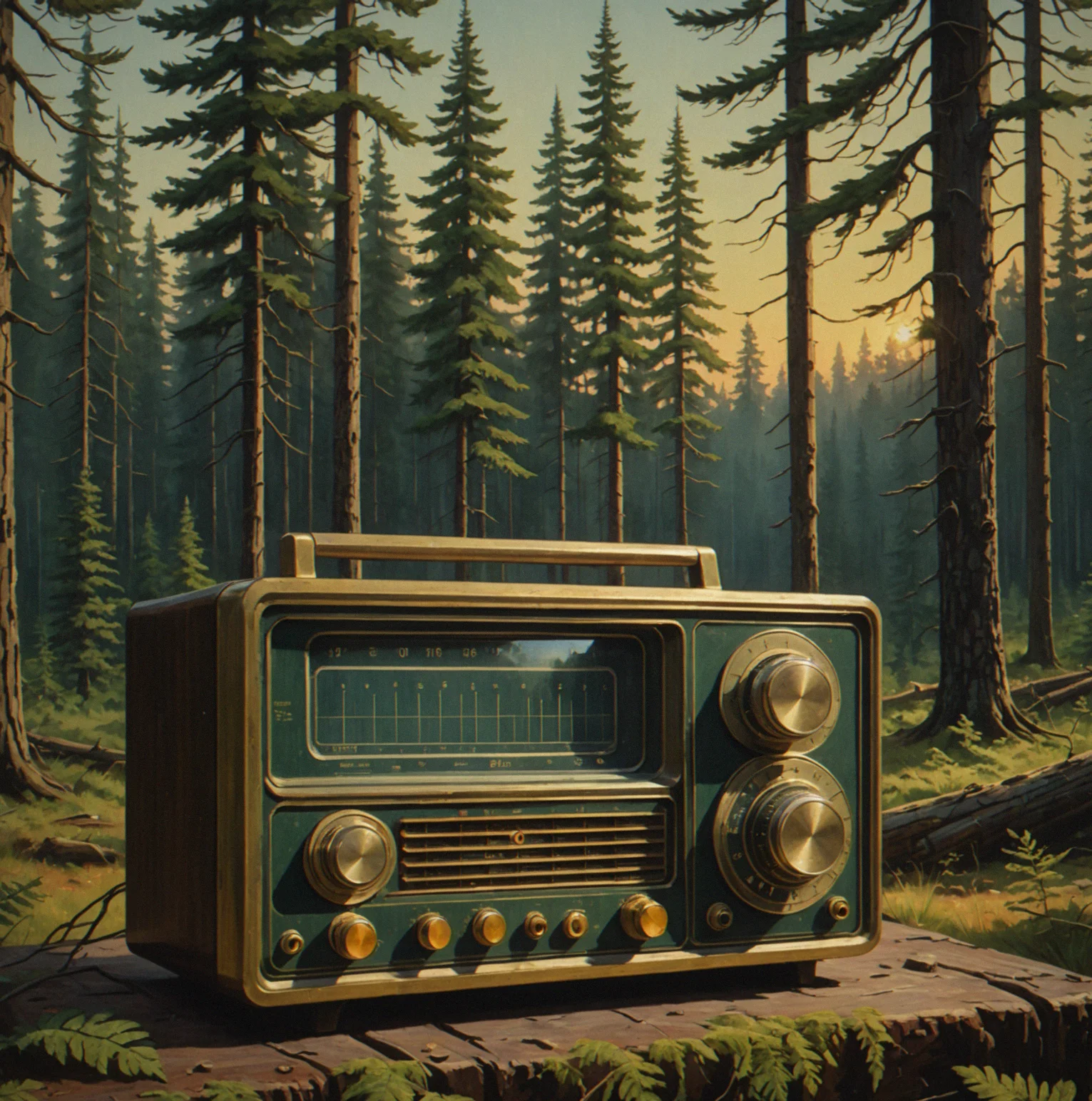
Someone spent rouhgly 40 hours painting the main forest region by hand. No procedural tricks. No premade asset packs. The trees, the shadows, the undergrowth, the way the colors shift with the seasons—it's all deliberate work.
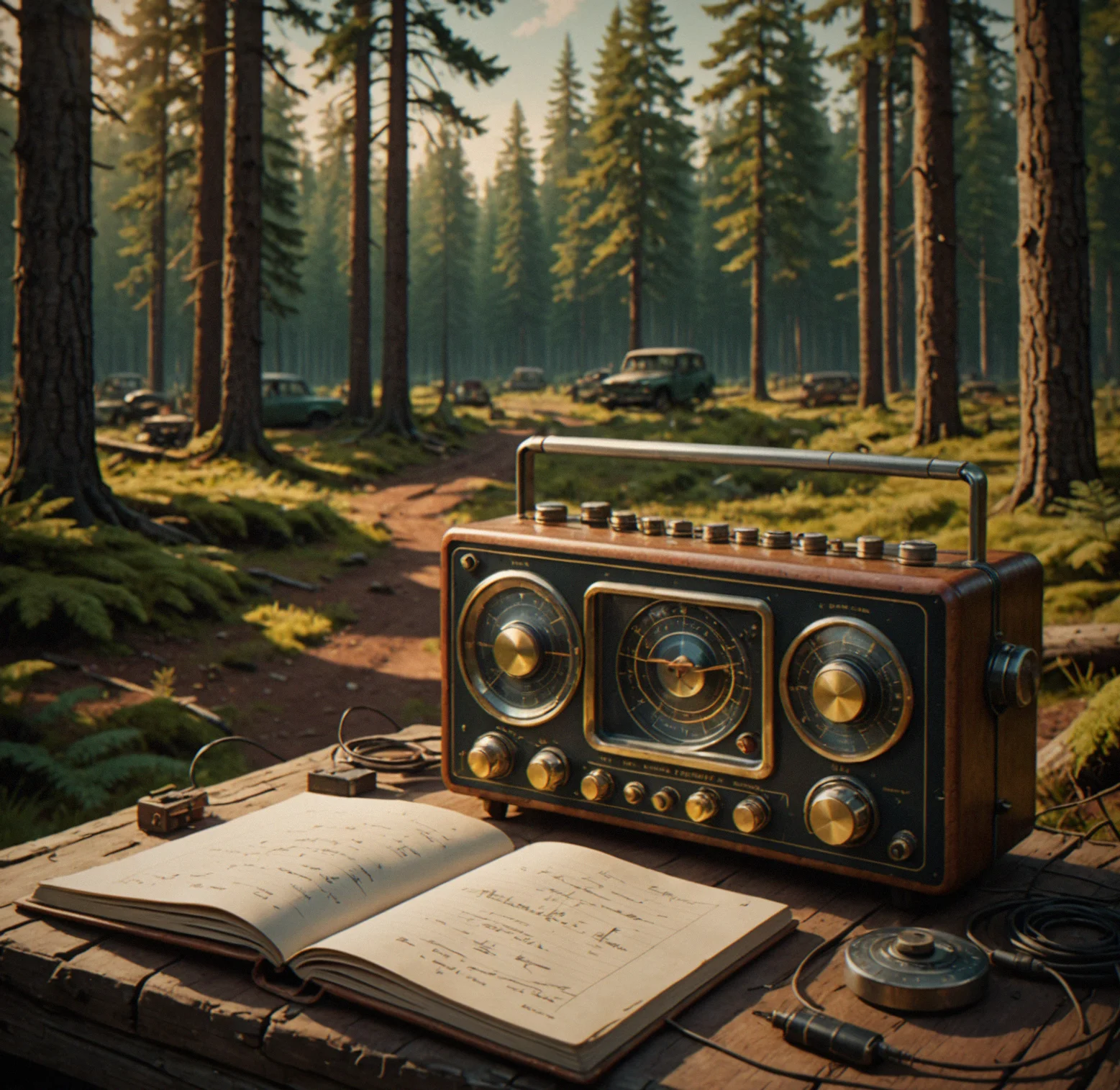
There's no map on your screen. No markers telling you where to go. No compass. Just what you see, what the receiver tells you and whatever notes you write down yourself. Learning the forest means walking it over and over, building a picture in your head the way a real field researcher would.
These environments were painted by hand, and you can see how the signal behavior and visual design talk to each other. Every frame shows the work — the brushstrokes, how the colors shift, the way the terrain lines up with where signals actually travel.
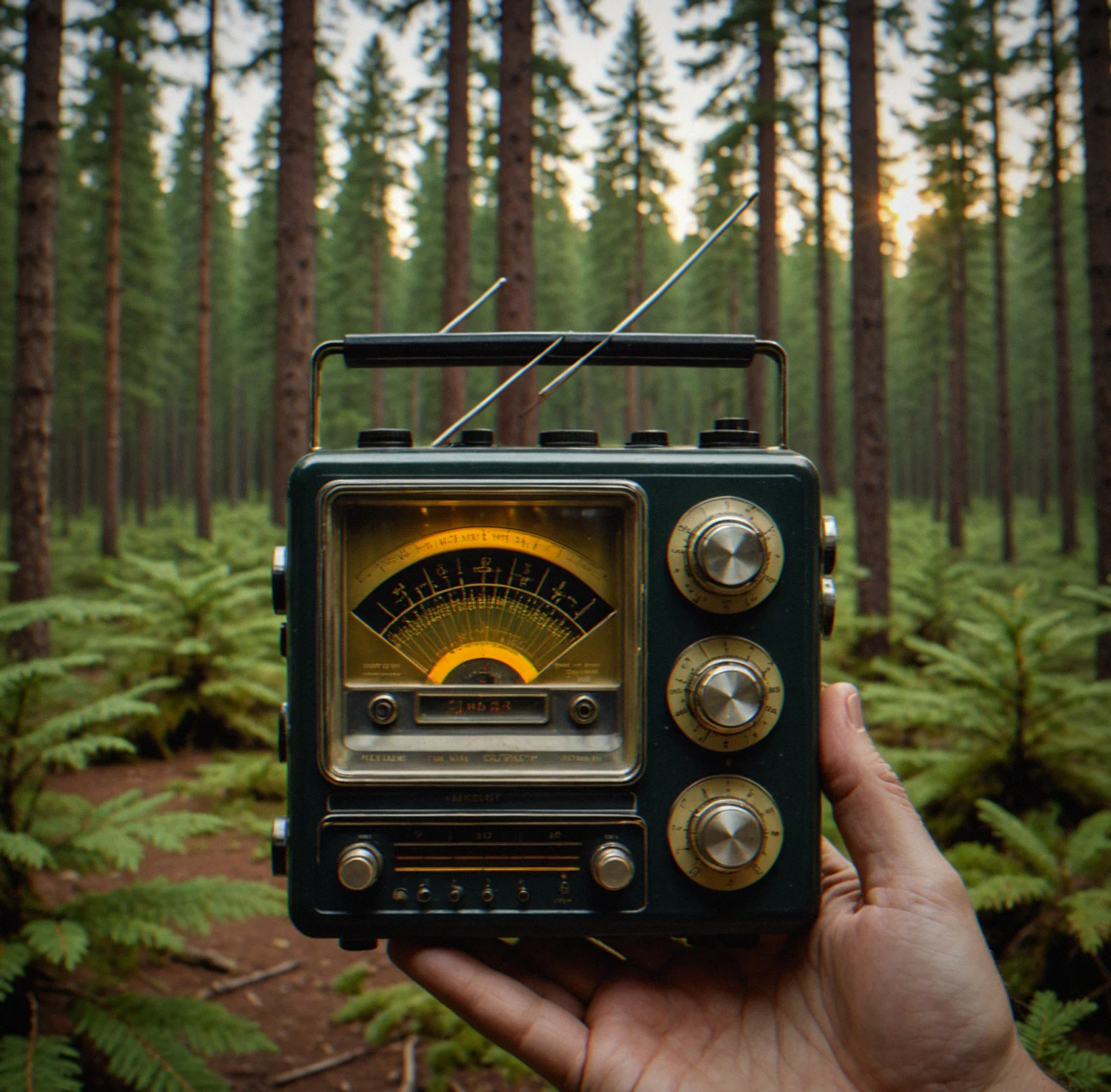
Your receiver is how you read everything. The rest is what you make of it.
Signals cluster somewhere for a reason. Those places tell you the landscape has already transformed.
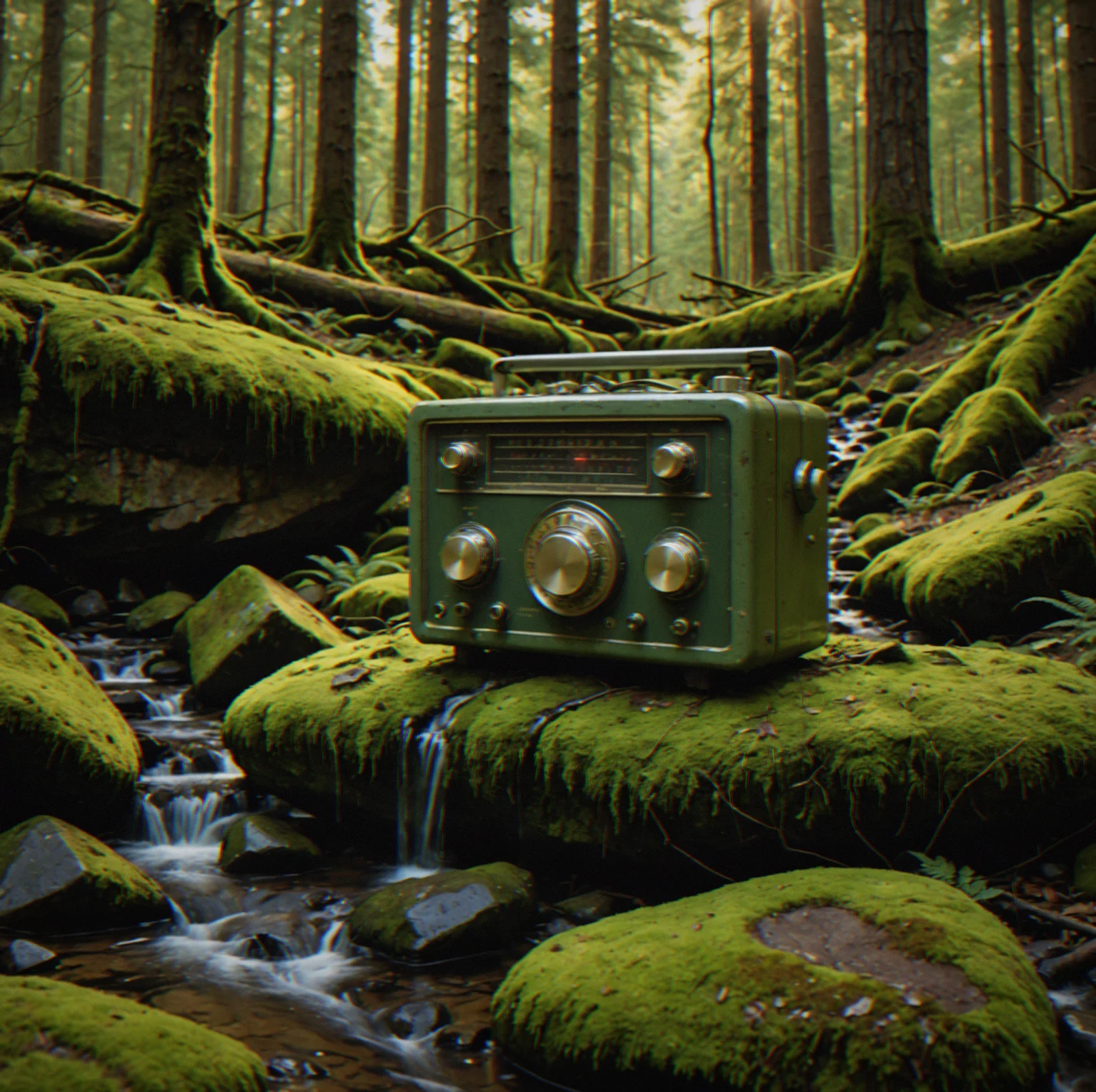
ELF frequencies travel through water. When you see it visually, you understand it methodologically. That distinction matters.
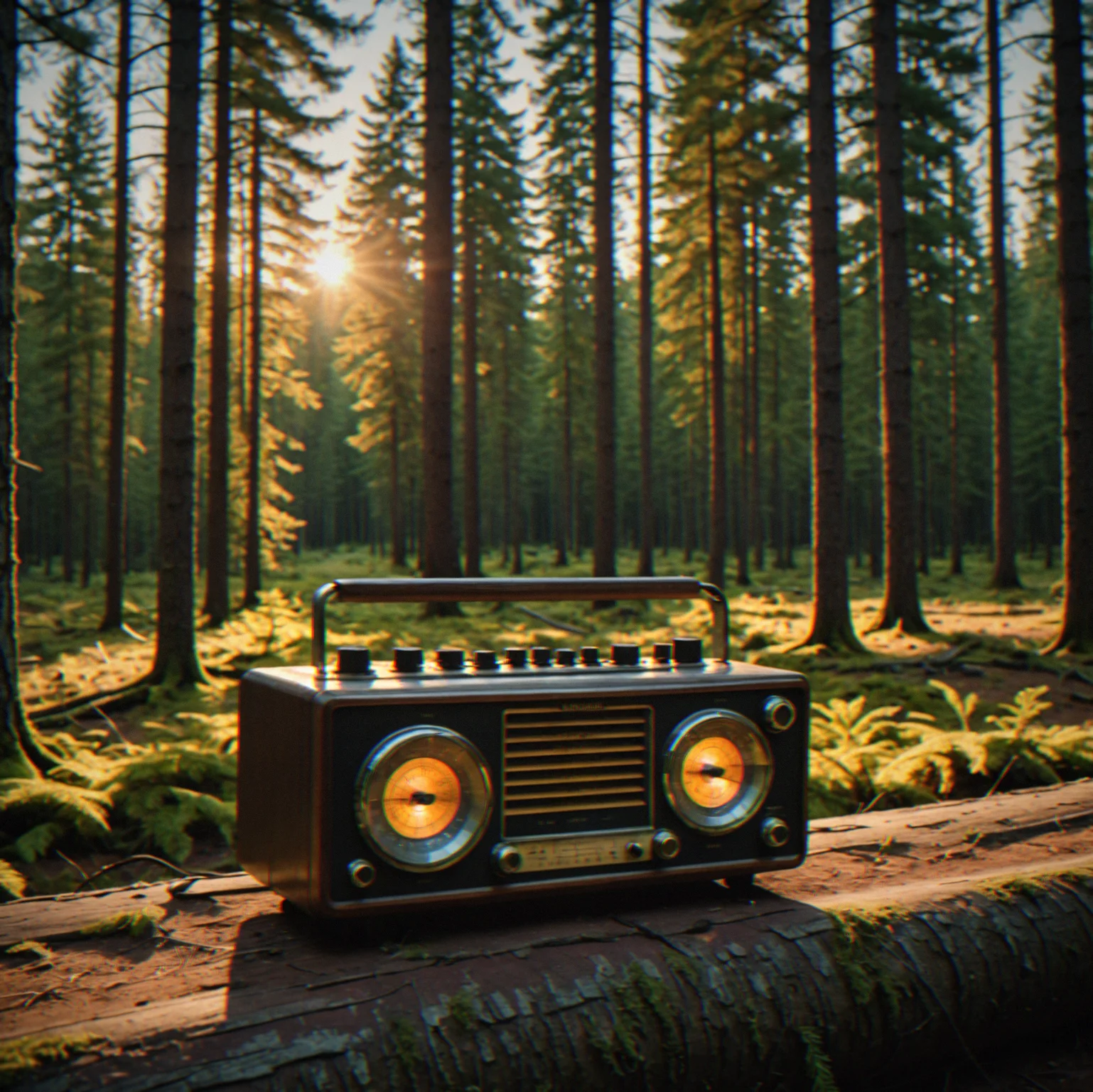
The daily cycle affects both how the place feels and what your receiver can pick up. Time changes what's available to find.
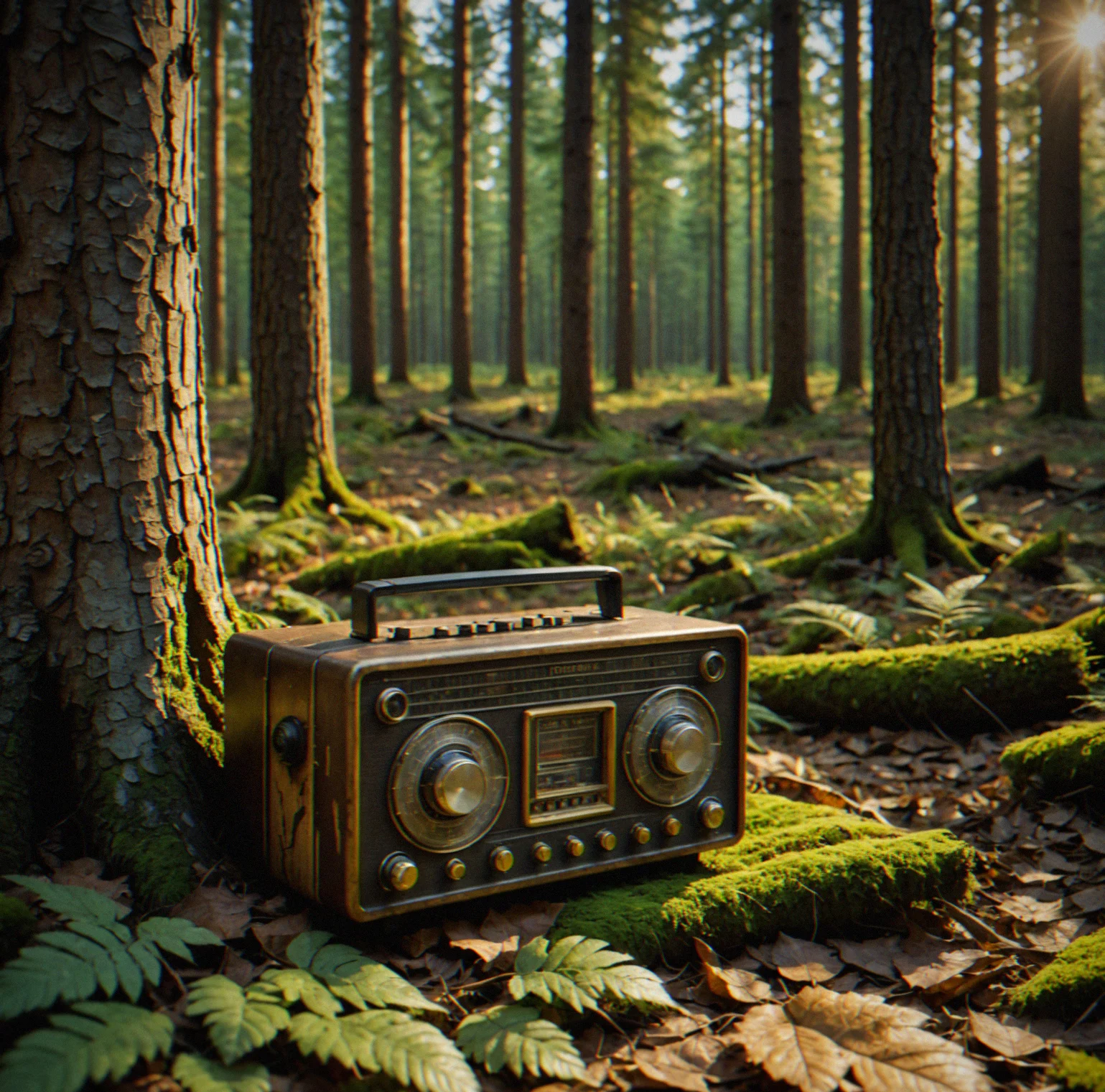
That's dozens and dozens of hours of painting. Not grabbing textures from some asset library. The work adds up.
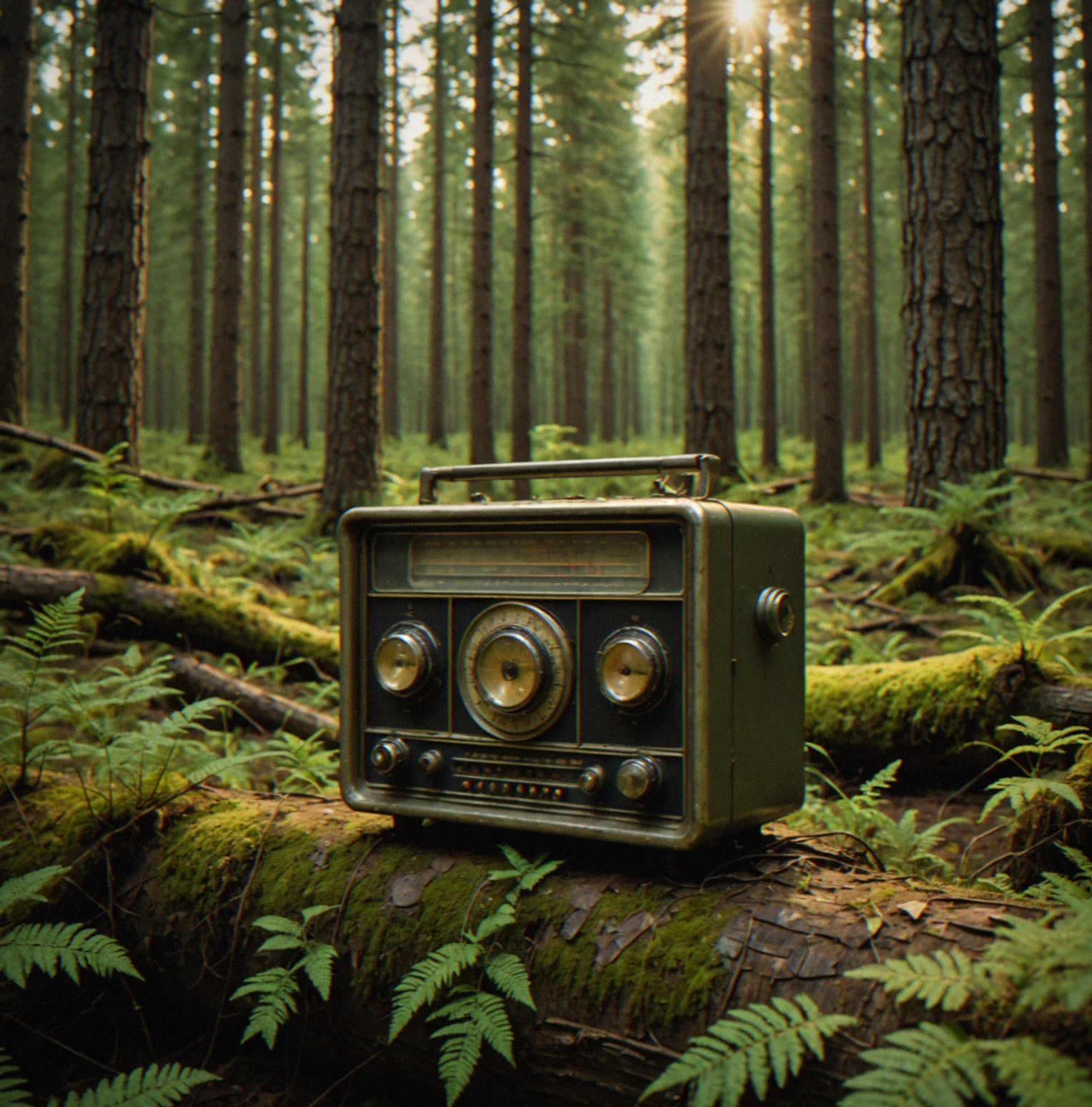
Without a map you're left with observation. The path becomes whatever route you discover.
Five principles that shape how Signalforest feels to play.
The VLF/ELF simulation actually models how frequencies behave. Atmospheric conditions shift what you pick up in real time — a storm front rolls in and you get nothing but noise, but clear nights? That's when the signal comes through clean. When you tune a frequency and the needle moves, it's following real electromagnetic propagation rules, not some arbitrary game logic.
Someone spent forty hours hand-painting the primary forest. Every tree, shadow, undergrowth detail — it was all deliberate. This isn't just visually different from procedural or asset-pack forests. It actually changes how you read the landscape. You start noticing intentional choices.
There's no compass overlay. No quest marker pointing you forward. You've got the receiver's readout, audio feedback, and whatever you can figure out by looking at the forest itself. Where's the water running? Where's the vegetation thickest? Where are the signal sources? Learning the place means walking it over and over.
Dead trees mark where signals get disrupted. Mineral deposits change how frequencies propagate through the ground. Vegetation density affects where water conducts ELF better — and that actually matters. The story isn't handed to you through journals or dialogue. It shows up when you understand why signals appear in certain spots.
The game runs through a full day-night cycle with shifting weather. Solar activity spikes, magnetic storms hit, seasons change — all of it affects what your receiver can pick up. Play at different times and you'll find different frequencies, different patterns. The forest itself is changing and your receiver responds to it.
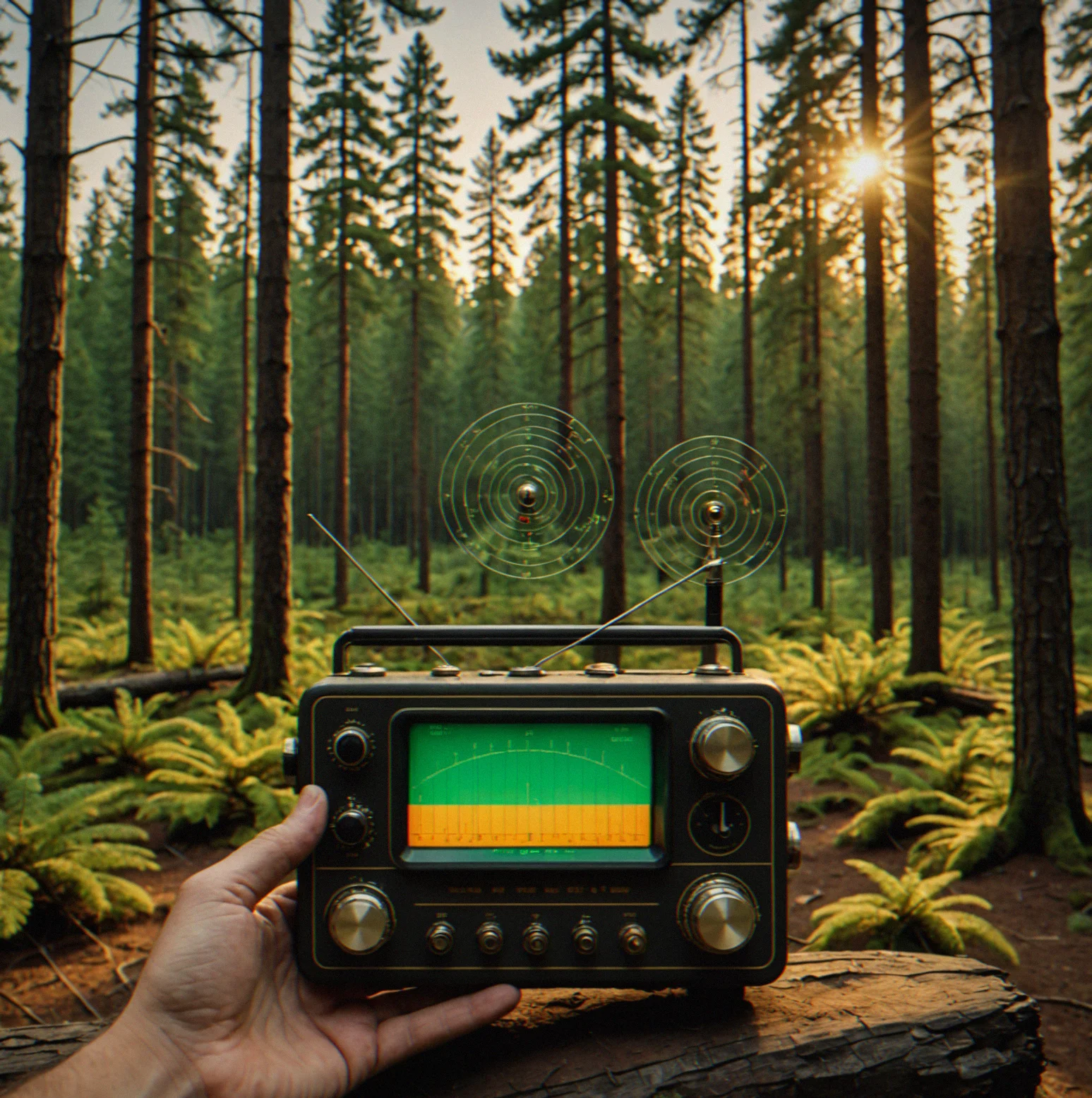
Very low frequency signals are between 3 and 30 kilohertz. They move through earth and seawater, which is why geophysicists and oceanographers use them to study what's underground. In Signalforest, VLF frequencies mark signal sources you can actually reach throughout the forest.
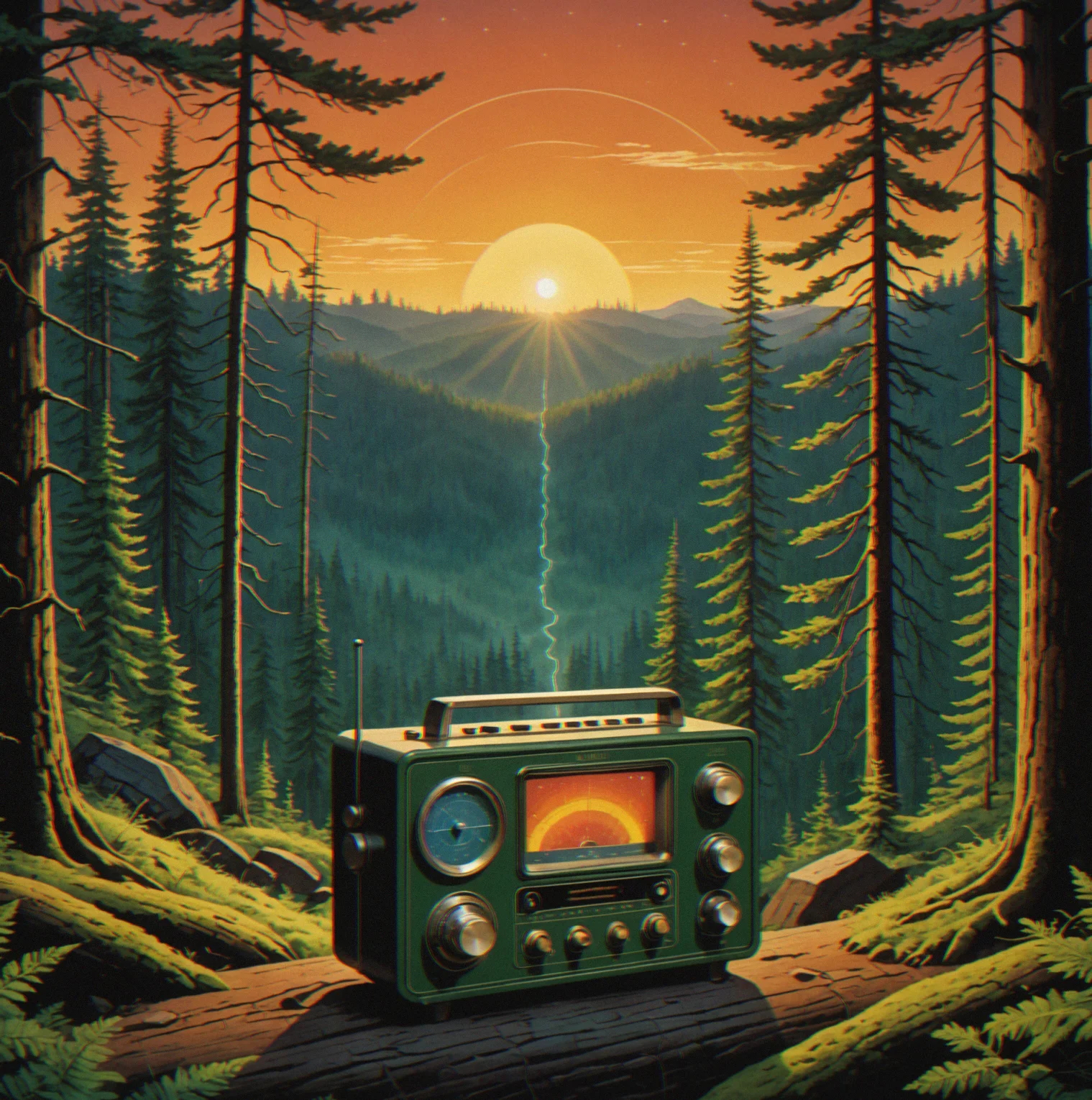
Extremely low frequency signals run from 3 to a few thousand hertz. The longer the wavelength, the deeper it penetrates rock and soil. When you tune into the ELF band in Signalforest, you're looking for signals that reveal what's underneath — the geology, the hidden layers.
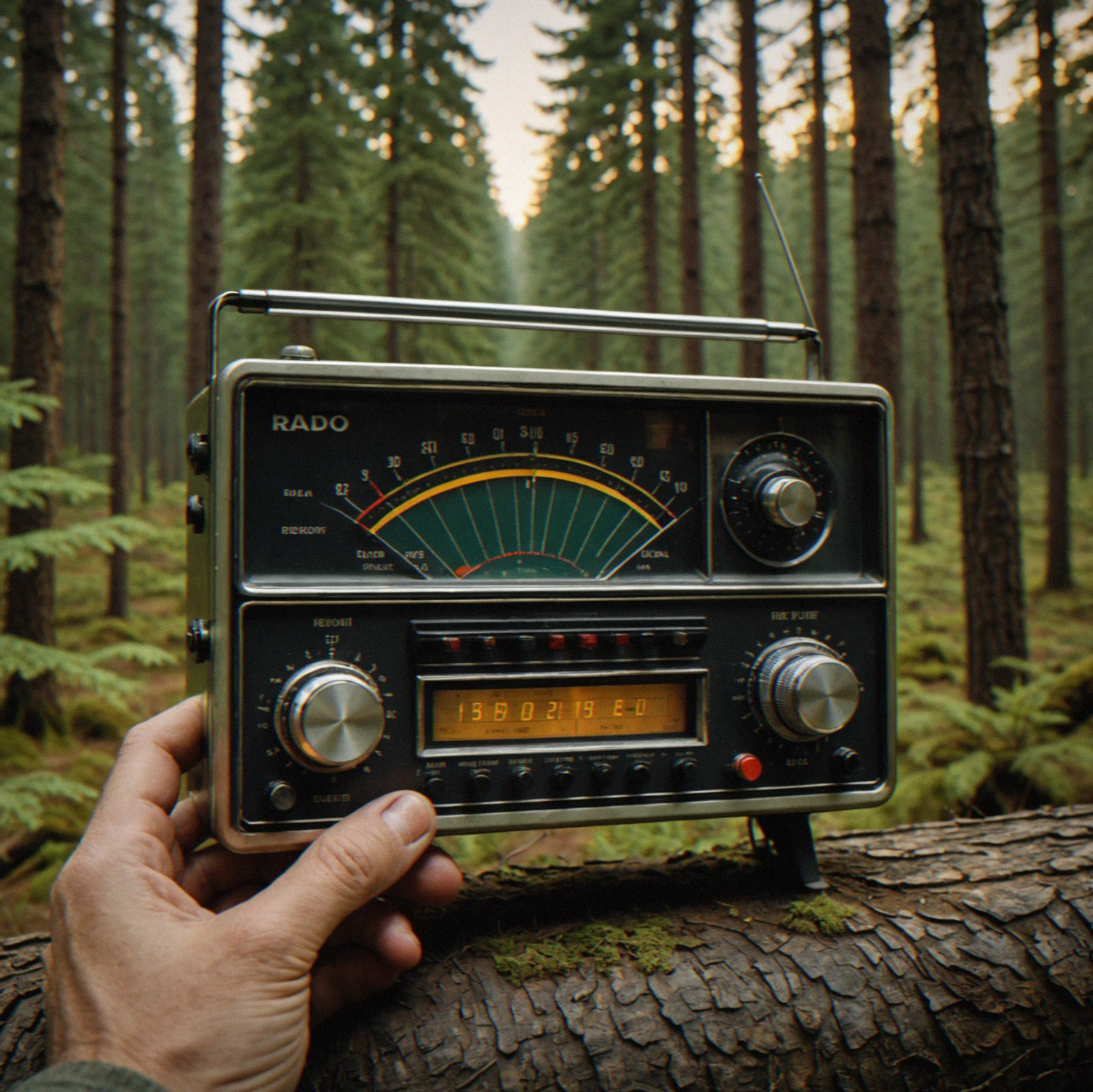
Your instrument gives you three things at once: an analog needle that moves, a bar graph showing signal strength and an audio tone that gets higher as you get closer. None of this is just for show. The needle points you in the right direction. The graph tells you how far away it is. The sound tells you it's there.
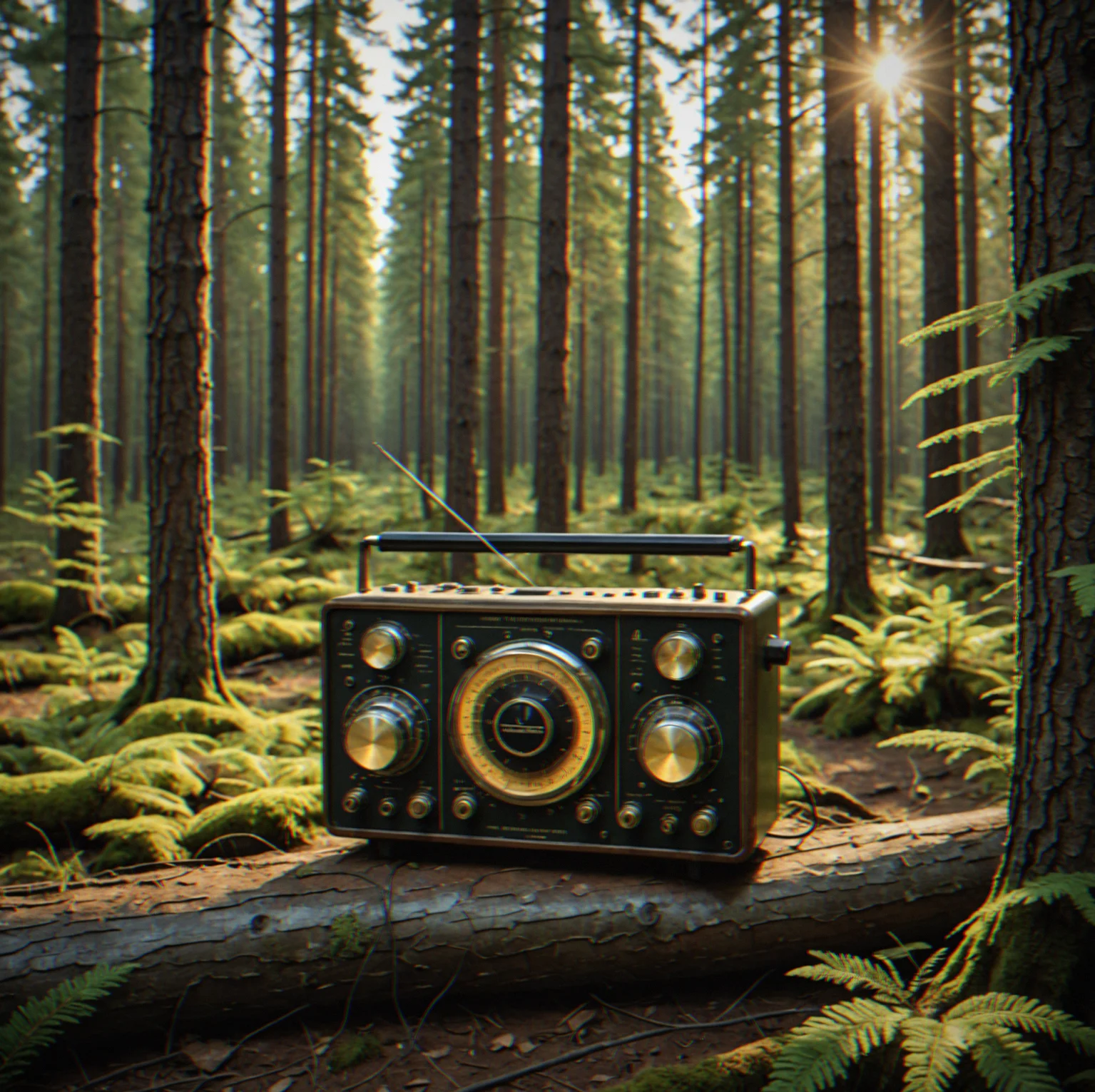
You need readings from multiple spots to find where a signal is coming from. Move to a new location, listen, check the strength and direction. Then do it again somewhere else. This is how real geophysicists work in the field. You learn faster when you're patient about it.
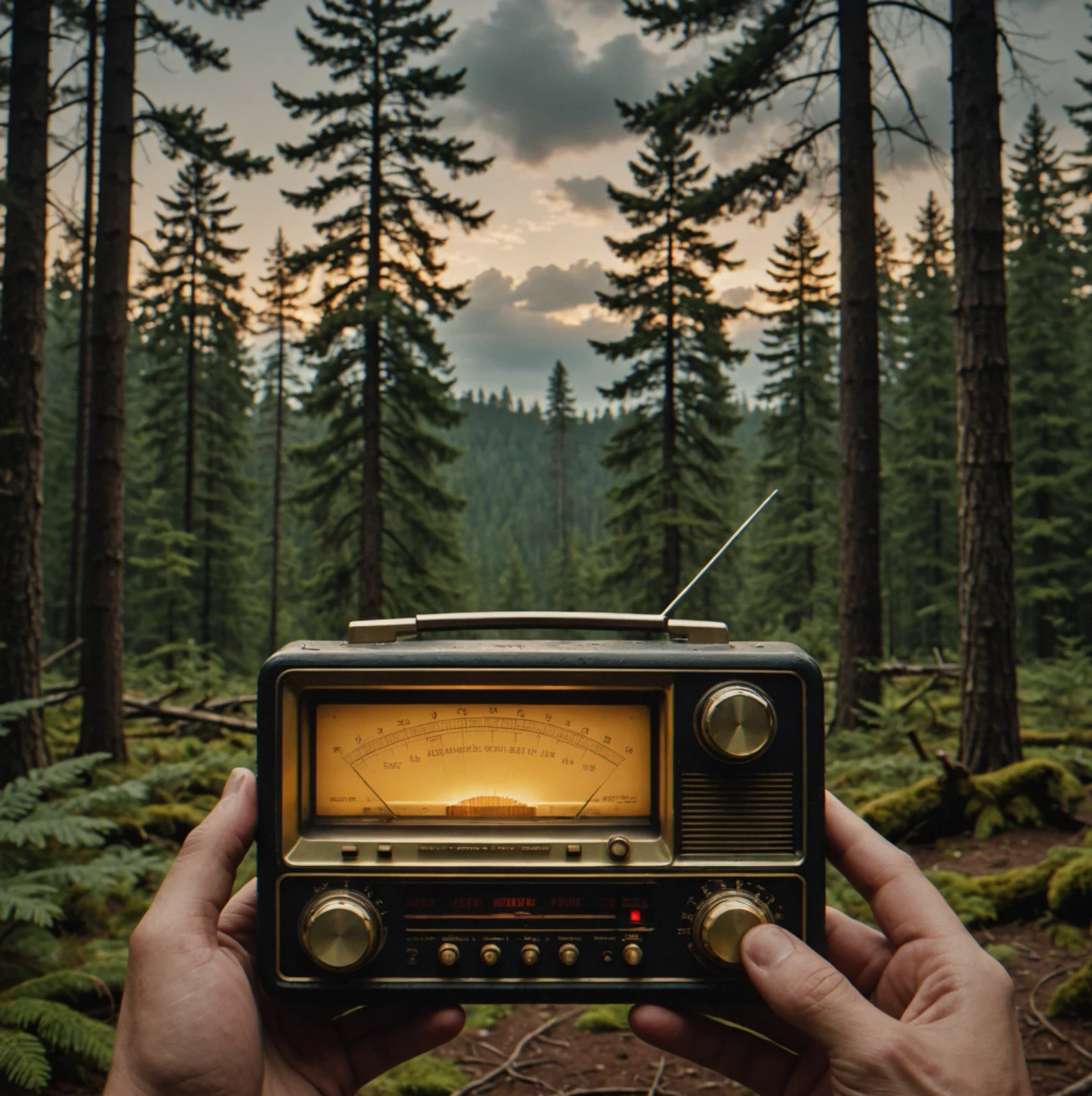
Weather and time of day change how signals travel. Storms create electrical noise. Clear nights let signals come through clean. Solar activity shifts the baseline frequencies. These aren't just random obstacles you deal with — they're things you learn to predict.
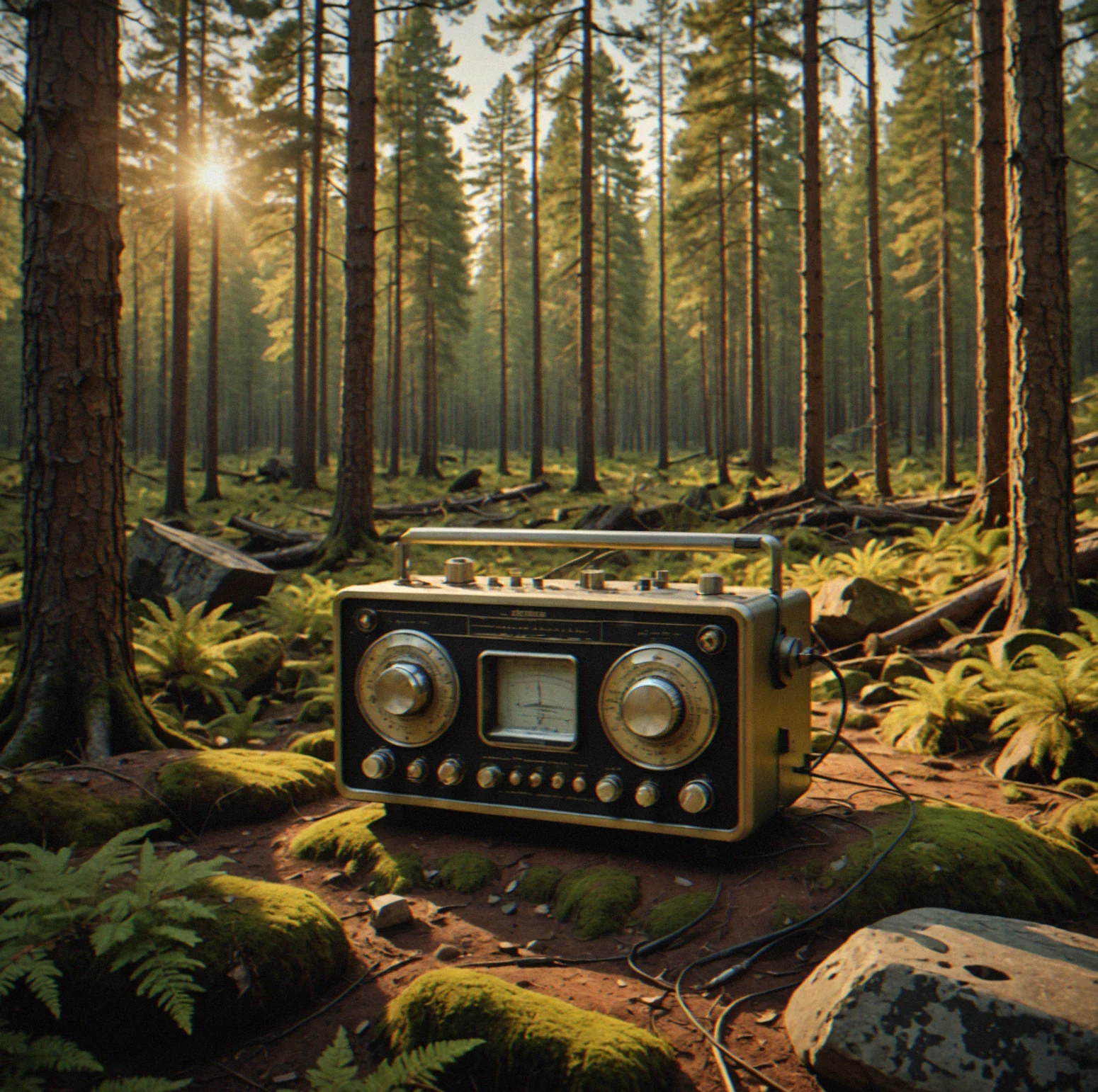
Signals bunch up in certain places, not scattered everywhere. They cluster near mineral deposits, where water seeps, around fault lines — spots the forest already shows you visually if you look. Once you recognize these clusters, you stop hunting random frequencies and start reading the landscape.
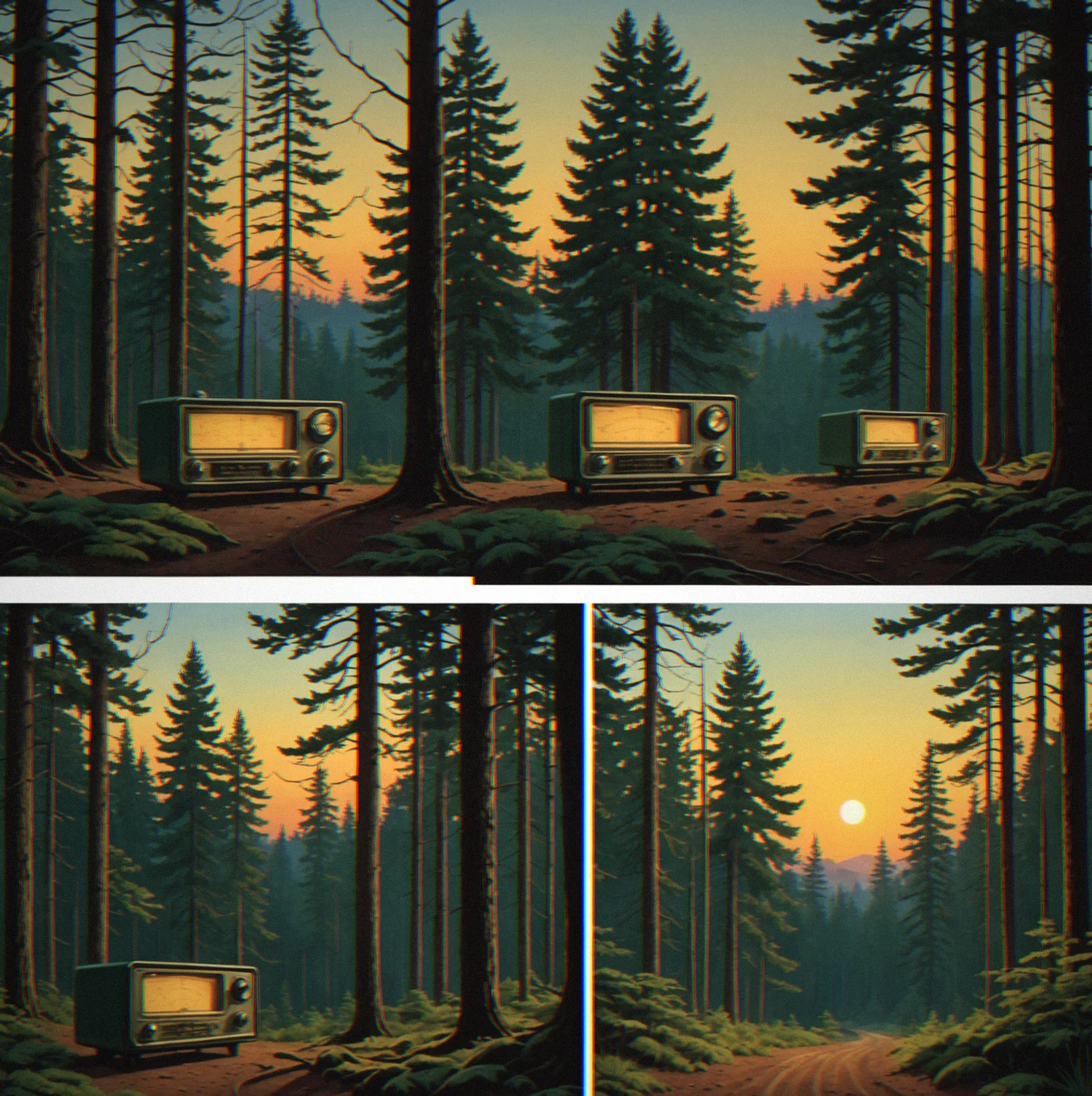
Some frequencies peak at dawn, others only show up at dusk. The game cycles through a full day where the sun's position and atmosphere change what you can pick up. Visit the same spot at different times and you'll hear completely different signals. The forest has a rhythm if you stick around long enough to learn it.
This game really isn't for everyone. You need to be someone who's willing to slow down, explore methodically, and actually figure out how something works instead of having it explained to you. If that sounds like your thing, here's what you're getting into.
There's definitely a story. You just don't get it from NPCs talking at you or watching cutscenes. Instead it comes together as you tune through signals, look at what's around you, and start connecting the dots based on the landscape itself. The forest tells you what happened by showing you why signals bunch up in certain spots, which areas look like they've been through something, and what the plants are trying to say about what came before.
You're probably looking at a dozen to fifteen hours before you've got the main systems down and you've found the big stuff. After that, there's more to discover if you keep going. There's no credits roll or 'you win' moment. You'll just know when the forest has shown you what it needed to. How much time you actually spend depends on whether you're really into the signal work and pattern spotting or just coasting.
Not at all. The game walks you through the basics as you play. Knowing that VLF is in the 3 to 30 kilohertz range and ELF goes up to around 3000 hertz does help explain why they work so differently — they travel through the ground at different depths, which changes what you can pick up and when. But really, the gameplay is about listening and paying attention, not memorizing technical specs.
That repetition is actually the whole thing. Tuning becomes like meditation. Once your hands know what to do, your brain stops thinking about the mechanics and starts catching the real details. The forest shifts, signals behave differently depending on when you check them, patterns start meaning something. You're doing the same movement but understanding it completely differently each time. If you bounced off Myst because of how it played or found The Forest felt slow, this probably won't click for you either.